March 6-7, 2026
Workshop – Looking to the South:
China’s Early Trade through Maritime Spaces
Locations:
Elling Eide Center, Sarasota, FL
Introduction:
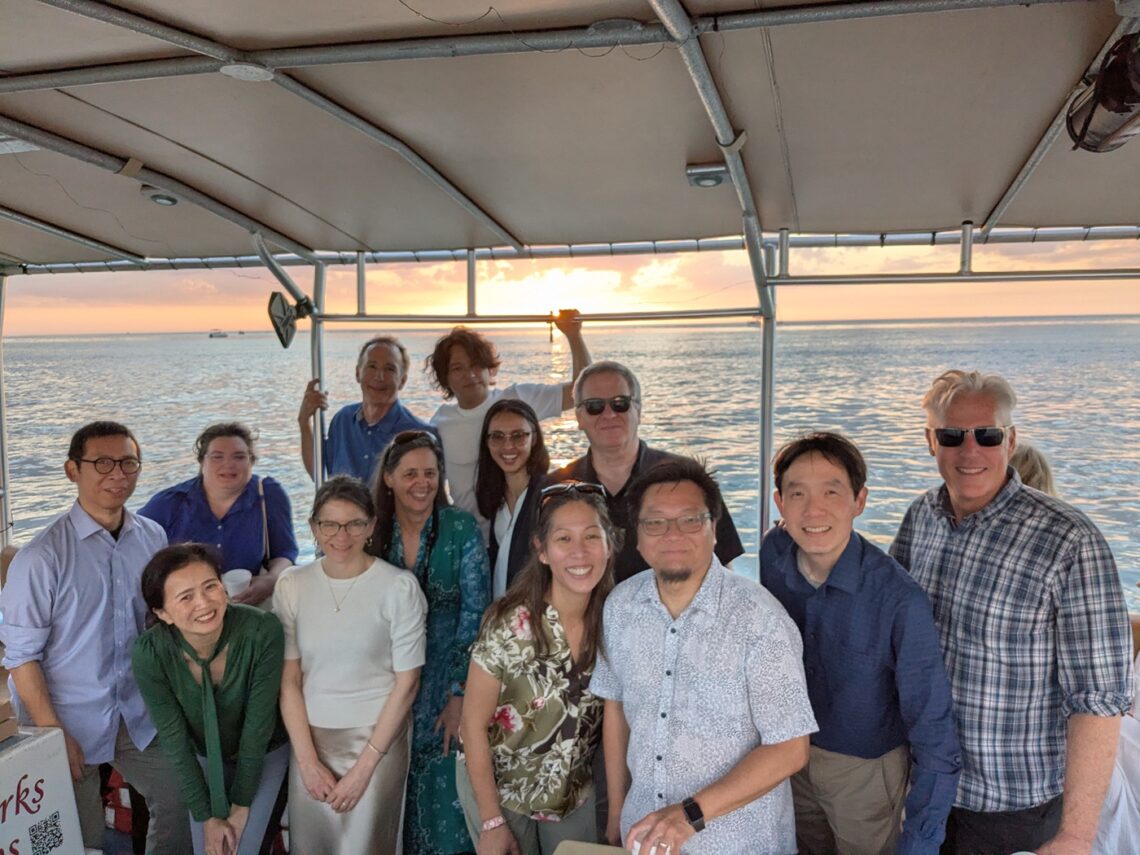
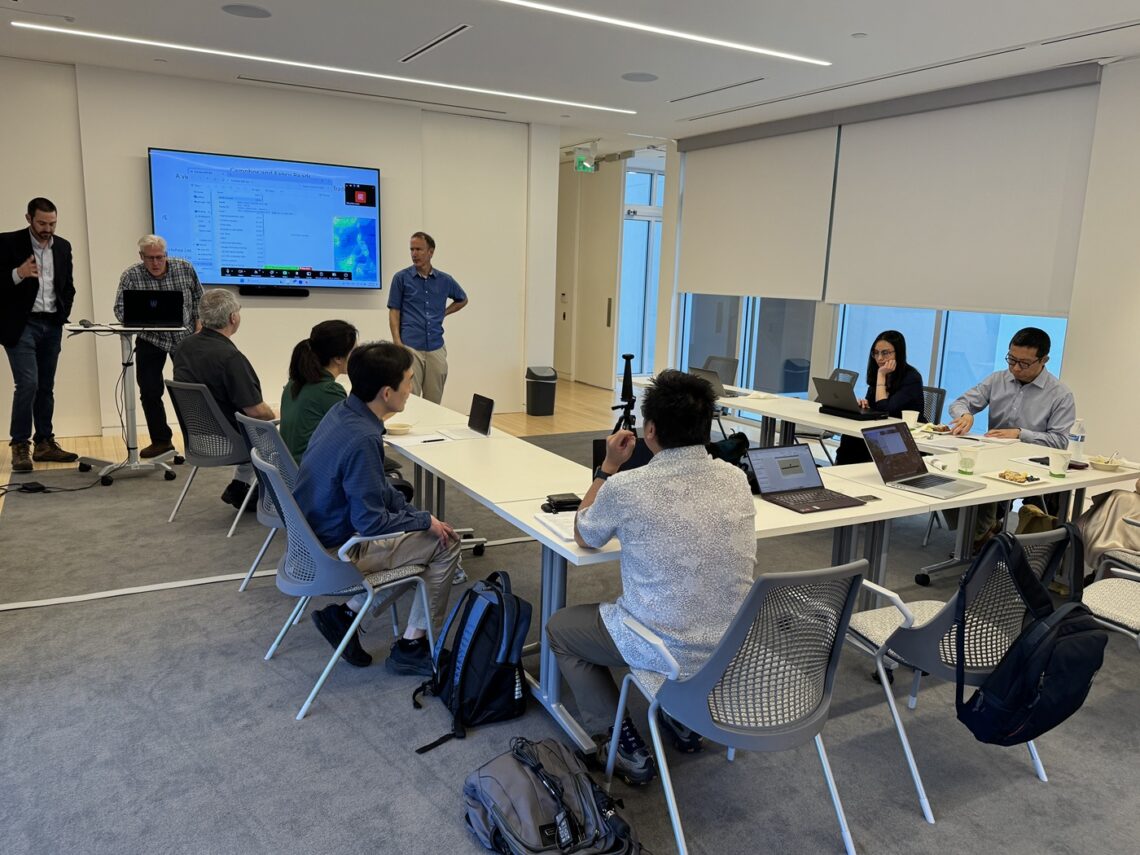
Held on March 6-7, 2026 at the Elling Eide Center (Sarasota, FL), the workshop ‘Looking to the South: China’s Early Trade through Maritime Spaces’ was co-sponsored by the Tang Center for Early China (Columbia University) and the Elling Eide Center. The workshop brought together scholars of history, archaeology, and anthropology to explore how exotic products—from parrots and pearls to incense and ivory—moved northward and transformed early Chinese economic and cultural life during the first millennium CE. Importantly, the workshop focused on a period which is less well studied than the following second millennium, when porcelain and other Chinese goods were carried on Chinese built ships and entered an extensive market that reached Europe. As the work carried out by the scholars who participated in the workshop made clear, China during the first millennium CE was nonetheless part of a broad, multipolar exchange system centered on the South China Sea. The twelve scholars presenting in the workshop (one of them online) were selected to represent a range of disciplines (history, literature, archaeology and maritime studies) and geographic specializations (from China to Southeast Asia and maritime Asia more generally). However, all shared in the common task of shedding much needed light on this period when China relied on Southeast Asian and Arab ships and traders to supply it with a wide range of natural (animal and plant) and manufactured products, as well as maritime stories and legends. These substances and ideas came to play an important role in the medicinal, aromatic, culinary, religious, and imaginative spheres of medieval China.
Co-organizers:
Francis Allard, Indiana University of Pennsylvania
Andrew Chittick, Eckerd College
Participants:
Jun Kimura, Tokai University
Maxim Korolkov, University of Tubingen
Peter V. Lape, University of Washington
Yan Liu, University of Buffalo, SUNY
Hieu Phung, Rutgers University
Amanda Respess, The Ohio State University
Linda Rui Feng, University of Toronto, Ontario
Tansen Sen, NYU, New York
Derek Thiam Soon Heng, Northern Arizona University
Leslie Wallace, Coastal Carolina University
Shao-yun Yang, Denison University
Schedule:
Friday, March 6
8:45am: Opening Welcome and Introductions
Session 1: 9:00 – 10:30
Francis Allard – Camphor and Fancy beads: A view on desirability and cultural impact in China’s early trade with southern maritime regions
Peter Lape – China-Indonesia Trade Connections: Long term perspectives from archaeological data
Maxim Korolkov – State finance and craft production in an early South China Sea kingdom: Evidence from the Nanyue palace documents
10:30 – 10:45: Break
Session 2: 10:45 – 12:15
Andrew Chittick – The Jiankang Empire and the Expansion of Sino-Southeast Asian Exchange
Yan Liu – Overseas Aromatics and the Making of New Healing Knowledge in China (7th–10th century)
Leslie Wallace – The Transport, Tribute, and Trade of Parrots in Southern Maritime Trade Networks during the First Millennium
12:15 – 1:15: Lunch
Session 3: 1:15 – 2:15
Linda Rui Feng – Views of Various “Sea People” in a Tenth-century Chinese Geographical Text
Hieu Phung – Rivers to the Sea: Rethinking the Lower Red River Region’s Maritime Engagement from an Environmental Perspective
2:15 – 2:30: Break
Session 4: 2:30 – 3:30
Jun Kimura – Historical Shift in Voyage and Maritime Trades: Kunlun Ships to Song Merchant Ships
Amanda Respess – Writing on Water: Developing a Framework for the Interpretation of Shipwreck Inscriptions
Saturday, March 7
Session 5: 9:00 – 10:00
Shao-yun Yang – On the Circulation of Arab and Iranian Lore to China via Maritime Trade
Derek Thiam Soon Heng – Climate and Connectivity in Maritime Southeast Asia
10:00 -10:15: Break
Roundtable Discussions (late morning – afternoon)
These are allotted one hour apiece, with breaks as needed. The guiding questions for these roundtables may need to be adjusted in response to our Friday conversations.
Roundtable 1: The production and transportation of maritime trade goods. What is the significance of the shipping industry being primarily Southeast Asian throughout this period? What was the impact of other maritime trade groups from the Indian Ocean (South Asian, Persian, Arab) on this trading system? For example, we might consider how goods were produced and transported, or the role of trade diaspora communities in port cities.
Roundtable 2: The structure of trade relations in Chinese political systems. How should we compare the role of private vs. state-supported merchants in China in the development of southern maritime trade? How should we assess the intermittent limitations imposed by China on international commerce? What role did the system of tribute and other geopolitical concerns play in China’s exchanges with maritime regions to its south?
Roundtable 3: The reception and significance of maritime commodities and knowledge within China. What were the economic, cultural and socio-political impacts of southern maritime trade on China?
Roundtable 4: Comparison with other spheres of maritime trade. Is there something distinctive about the nature of this trade compared with trade in other maritime spaces, e.g. the Mediterranean or the Indian Ocean? How can the terminology we use for this trade be made compatible with that of other maritime spaces? For example, should the goods exchanged be regarded as luxury goods or utilitarian ones? Should they be regarded as commodities?
Closing session: Takeaways for each participant; plans for edited volume.